
How App Session Time Limits Affect Gameplay Patterns
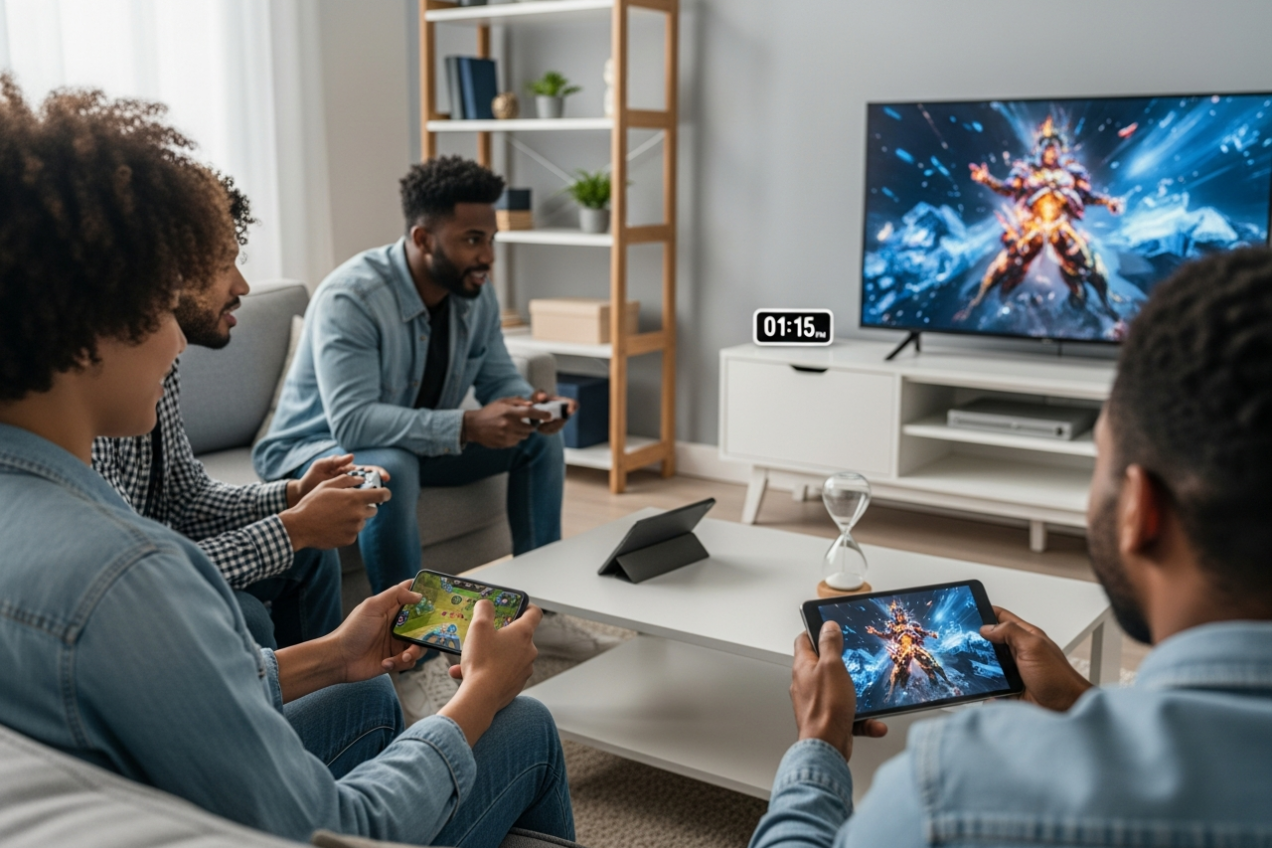
American gamers spend an average of 21.8 minutes per North American session, while dedicated gaming sessions extend to 31 minutes, revealing significant variations in how different platforms and age groups engage with digital entertainment. These numbers tell only part of the story, as app session time limits—ranging from parental controls to regulatory frameworks—are reshaping how Americans play games across mobile devices, consoles, and PC platforms.
Session limits encompass a variety of control mechanisms including built-in app timers, parental oversight tools, and emerging state-level regulations designed to promote healthier gaming habits. Unlike natural gameplay patterns that flow organically based on player preference and game design, these imposed boundaries create artificial stopping points that fundamentally alter engagement rhythms. The effects cascade differently across platforms, with mobile games already favoring short bursts while console experiences traditionally accommodate extended play sessions. As we approach 2026, age-specific differences in limit effectiveness and platform-specific adaptations are creating new trends that will define the future of American gaming behavior.
Understanding App Session Time Limits
App session time limits represent deliberate restrictions placed on gaming duration through various mechanisms, fundamentally differing from organic play patterns that develop naturally based on game design and player preference. These controls can be implemented through parental oversight systems, built-in application timers, or regulatory requirements aimed at promoting healthier digital consumption habits.
The distinction between natural gaming rhythms and imposed limits becomes particularly evident when examining platform preferences. Mobile gaming naturally tends toward shorter burst sessions averaging 5-8 minutes, driven by the pick-up-and-play nature of smartphone entertainment and the fragmented attention spans typical of mobile usage. Console gaming, conversely, traditionally supports extended engagement periods of 2-4 hours, designed around deeper narrative experiences and complex gameplay mechanics that require sustained attention.
When session limits are introduced, they create an artificial ceiling that can dramatically alter these established patterns. The intervention effectively forces console gaming to adopt mobile-like characteristics, breaking up what would naturally be longer experiences into segmented chunks. This transformation has implications not just for individual gaming sessions but for overall engagement patterns, frequency of play, and the types of games that thrive under different limitation scenarios.
Understanding these dynamics becomes crucial as various stakeholders—from parents concerned about screen time to policymakers addressing digital wellness—implement increasingly sophisticated control mechanisms across the American gaming landscape.
Types of Session Limits in US Apps
The American market features several distinct categories of session limitations, each targeting different user groups and implemented through varying technological approaches. These systems range from voluntary self-regulation tools to mandatory restrictions that cannot be bypassed without proper authorization.
Parental control systems represent the most common form of session management, allowing guardians to set daily or per-session time limits across multiple devices and platforms. These controls often include graduated warnings, providing players with 15, 10, and 5-minute alerts before automatic session termination.
- Integrated platform controls through Xbox Family Settings, PlayStation Family Management, and Nintendo Switch Parental Controls that enforce hard stops on gaming sessions
- Third-party applications like Qustodio and Circle Home Plus that monitor and limit screen time across all connected devices in the household
- Built-in smartphone restrictions through iOS Screen Time and Android Digital Wellbeing that can cap individual app usage on a daily or hourly basis
- Game-specific voluntary tools implemented by developers, such as World of Warcraft’s fatigue system and mobile games’ energy mechanics that naturally limit extended play
- Educational institution controls that restrict gaming during school hours or study periods through network-level filtering and device management systems
- Emerging workplace policies that limit gaming app access during business hours through corporate device management protocols
Regulatory Context in the US
The regulatory landscape surrounding gaming session limits is rapidly evolving, with several states considering legislation that would mandate built-in time restrictions for certain categories of games, particularly those targeting younger demographics. While comprehensive federal regulations remain limited, health organizations have begun issuing guidelines that recommend session limits as part of broader digital wellness initiatives.
Looking toward 2025-2026, emerging legislation is likely to focus on transparency requirements, mandating that game developers disclose average session lengths and provide easily accessible time-limiting tools. These regulatory trends suggest a future where session limits become standardized features rather than optional add-ons, potentially normalizing shorter gaming sessions across all age groups and platforms.
Baseline US Gameplay Patterns Without Limits
Before examining how limits affect gameplay, it’s essential to understand the natural engagement patterns that emerge when American gamers play without artificial restrictions. These baseline behaviors vary dramatically across age groups and platforms, reflecting different motivations, available leisure time, and technological preferences that have evolved over the past decade.
The data reveals striking contrasts between demographic segments, with younger players typically engaging in longer individual sessions but potentially fewer total weekly hours during school periods, while older demographics maintain more consistent daily patterns with moderate session lengths. Platform choice significantly influences these behaviors, as mobile gaming inherently promotes different engagement styles compared to console or PC gaming experiences.
| Age Group | Avg Session (Mobile) | Avg Session (Console/PC) | Weekly Hours | Daily Sessions |
|---|---|---|---|---|
| Children (6-12) | 8-12 minutes | 45-75 minutes | 7-11 hours | 3-5 sessions |
| Teens (13-17) | 12-18 minutes | 2-4 hours | 12-20 hours | 2-4 sessions |
| Young Adults (18-25) | 15-25 minutes | 1.5-3 hours | 16-24 hours | 4-6 sessions |
| Adults (26-40) | 10-20 minutes | 1-2 hours | 8-14 hours | 2-3 sessions |
| Seniors (40+) | 20-35 minutes | 45-90 minutes | 6-12 hours | 1-2 sessions |
These patterns reflect the North American gaming landscape where entertainment gaming averages 31 minutes per session, though this figure encompasses significant variation based on platform and demographic factors. Understanding these baseline behaviors becomes crucial when assessing how imposed limits alter natural gaming rhythms and overall engagement patterns.
Platform Differences in US
The stark contrast between mobile and console gaming patterns reflects fundamental differences in how Americans approach gaming across different devices and contexts. Mobile sessions typically last 5-8 minutes, driven by the opportunistic nature of smartphone gaming during commutes, breaks, and brief moments of downtime throughout the day. This pattern aligns with mobile games’ design philosophy of quick satisfaction and easy entry points that accommodate interrupted play.
Console and PC gaming, by contrast, support much longer engagement periods averaging 2-4 hours per session, particularly on weekends and during leisure periods when players can fully immerse themselves in complex narratives or competitive multiplayer experiences. North America leads global entertainment gaming consumption, with these extended sessions contributing significantly to the region’s position as a dominant gaming market. The platform differential becomes even more pronounced when considering that many American households maintain multiple gaming devices, allowing players to switch between quick mobile sessions during the day and longer console experiences in the evening.
These natural platform distinctions become crucial when session limits are introduced, as mobile gaming already operates within the timeframes that many limit systems target, while console gaming experiences the most dramatic disruption from artificial time constraints. The resulting convergence toward mobile-like session patterns across all platforms represents one of the most significant shifts in American gaming behavior patterns.
Direct Effects of Session Limits on Session Length
When session limits are implemented, the most immediate and measurable effect is the truncation of naturally longer gaming sessions, particularly impacting console and PC gaming where players traditionally engage for extended periods. This artificial ceiling creates a cascading series of behavioral adaptations that reshape not just individual session lengths but overall gaming frequency and engagement patterns across different platforms and age groups.
The implementation of session limits typically results in increased gaming frequency as players compensate for shortened individual sessions by returning to games more often throughout the day. Children subject to 45-60 minute limits often develop patterns that mirror mobile gaming behavior, even when using console systems designed for longer engagement. This shift effectively forces all gaming platforms to adopt mobile-like characteristics, breaking down traditional distinctions between platform-specific engagement patterns.
Perhaps most significantly, session limits create a convergence effect where console gaming begins to mimic mobile gaming patterns, with players learning to maximize engagement within restricted timeframes. This adaptation often leads to changes in game preference, with players gravitating toward titles that offer immediate satisfaction rather than those requiring sustained attention for narrative development or complex strategic gameplay.
The psychological impact of impending session termination also influences player behavior during active sessions, often creating rushed or intensified play patterns as gamers attempt to accomplish objectives before automatic shutoffs occur. This urgency can fundamentally alter the relaxed, exploratory nature that many games are designed to encourage.
Shortening Extended Play
The process by which session limits curtail extended gaming periods follows predictable patterns, particularly affecting weekend and leisure-time gaming sessions that would naturally extend beyond typical limit thresholds. Teen players, who commonly engage in 3+ hour weekend sessions when unrestricted, experience the most dramatic adjustments when limits are imposed.
The truncation process typically unfolds through graduated warning systems that alert players to approaching limits, followed by automatic session termination that cannot be overridden without proper authorization.
- Initial warning notifications appear 15-30 minutes before session termination, allowing players to reach natural stopping points or save progress in ongoing games
- Progressive alerts intensify as time limits approach, with 10, 5, and 1-minute warnings that become increasingly intrusive to ensure player awareness
- Automatic session termination occurs regardless of game state, potentially interrupting critical moments in competitive matches or narrative sequences
- Mandatory cooling-off periods prevent immediate session restart, typically ranging from 30 minutes to several hours depending on the control system in use
- Resume restrictions may apply, limiting the total daily gaming time even across multiple shortened sessions throughout the day
Frequency Compensation
As session lengths decrease due to imposed limits, American gamers consistently demonstrate compensatory behavior by increasing their gaming frequency, often engaging in 4-6 short sessions per day rather than 1-2 longer periods. This adaptation mirrors mobile gaming patterns where brief, frequent interactions replace sustained engagement, fundamentally altering the rhythm of gaming in American households.
The frequency increase typically manifests as strategic session timing, with players learning to maximize their limited gaming windows by starting sessions at optimal times when they can utilize the full allowable duration without interruption. Morning gaming sessions before school or work, brief afternoon sessions during breaks, and carefully timed evening sessions become part of a calculated approach to gaming under restrictions.
This behavioral shift often extends beyond the periods when limits are actively enforced, creating lasting changes in gaming habits that persist even when restrictions are temporarily lifted or players gain access to unrestricted gaming opportunities. The conditioning effect of frequent, shorter sessions can make extended gaming periods feel overwhelming or unfocused for players who have adapted to limited-time gaming patterns, suggesting that session limits may create permanent changes in gaming preferences and attention spans.
Age Group Impacts in the US
Different age groups respond distinctly to session time limits, with the effectiveness and behavioral impact of restrictions varying significantly based on developmental stage, gaming experience, and natural attention spans. Children and teenagers show the most dramatic pattern shifts when limits are imposed, while adult players often find limits align more closely with their natural gaming preferences due to existing time constraints from work and family responsibilities.
The enforcement of session limits across age groups reveals interesting dynamics in how different generations adapt to artificial constraints on their gaming behavior. Younger players tend to test limits and seek workarounds, while older demographics may actually appreciate the structured boundaries that limits provide in managing their leisure time allocation.
| Age Group | Natural Session | With Limits | Pattern Shift |
|---|---|---|---|
| Children (6-12) | 45-75 minutes | 30-45 minutes | Moderate truncation, increased frequency |
| Teens (13-17) | 2-4 hours | 60-90 minutes | Dramatic reduction, significant behavioral adaptation |
| Young Adults (18-25) | 1.5-3 hours | 60-120 minutes | Moderate impact, strategic timing adoption |
| Adults (26-40) | 1-2 hours | 45-90 minutes | Minimal disruption, natural alignment |
| Seniors (40+) | 45-90 minutes | 30-60 minutes | Slight reduction, improved session structure |
These age-based differences highlight how session limits function more as disruptive interventions for younger demographics while serving as helpful structure for older players who may struggle with self-regulation. The varying degrees of pattern disruption also suggest that effective limit systems should incorporate age-appropriate timeframes rather than applying universal restrictions across all demographic groups.
Teen and Young Adult Shifts
Teenagers and young adults represent the demographic most significantly impacted by session time limits, as this group naturally engages in the longest gaming sessions and has the most flexibility in their daily schedules to accommodate extended play periods. Young adults, who average 16 hours per week of gaming time, experience substantial disruption when session limits reduce their peak gaming periods from several hours to 60-90 minute segments.
The adaptation strategies employed by this demographic often involve sophisticated time management approaches, including the strategic use of multiple devices and platforms to circumvent single-platform limits. Teen players frequently develop rotational gaming schedules that maximize their total gaming time by cycling between different games and platforms as each reaches its session limit threshold.
Weekend gaming patterns show the most dramatic shifts, as teen weekend sessions that would naturally extend 4-6 hours become fragmented into multiple shorter periods with mandatory breaks between sessions. This fragmentation often leads to frustration with narrative-driven games and a preference for competitive multiplayer titles that can deliver satisfaction within shorter timeframes.
The long-term behavioral implications for this demographic may extend into adulthood, as players who adapt to session-limited gaming during their formative years may maintain preference for shorter, more frequent gaming sessions even when restrictions are no longer applied. This generational shift could fundamentally alter the types of games that succeed in the American market, favoring titles designed for brief, intense engagement over those requiring sustained attention and emotional investment.
Platform-Specific Pattern Changes
The implementation of session limits creates distinctly different impacts across gaming platforms, with mobile gaming experiencing minimal disruption due to its naturally brief engagement patterns, while console and PC gaming undergo significant behavioral modifications that fundamentally alter traditional platform advantages. These platform-specific changes reveal how artificial time constraints can force convergence in gaming behavior patterns that were previously distinct and specialized to different types of gaming experiences.
Console gaming, traditionally designed around sustained engagement and immersive experiences, shows the most dramatic adaptation to session limits, with players developing mobile-like burst gaming patterns that prioritize quick achievement and immediate gratification over exploration and narrative development.
- Mobile platforms maintain consistent engagement patterns since natural sessions already align with common limit thresholds of 30-60 minutes
- Console gaming shifts toward achievement-focused play sessions that maximize progress within restricted timeframes
- PC gaming develops hybrid patterns combining quick session gaming with strategic longer sessions when limits are temporarily lifted
- Cross-platform gaming becomes more strategic as players use mobile devices during console cooldown periods to maintain engagement with the same titles
- Streaming and cloud gaming services see increased adoption as players seek ways to continue gaming across different devices when platform-specific limits are reached
- Competitive gaming scenes adapt match lengths and tournament formats to accommodate session limit requirements for younger participants
Mobile vs Console Under Limits
The contrast between mobile and console gaming under session limits demonstrates how platform-specific design philosophies interact with artificial time constraints to create vastly different user experiences and adaptation strategies.
| Platform | Pre-Limit Avg | Post-Limit Effect | US Example |
|---|---|---|---|
| Mobile | 5-15 minutes | Minimal change | Candy Crush maintains 8-min sessions |
| Console | 2-4 hours | 75% reduction | Fortnite shifts to 45-min matches |
| PC Gaming | 1.5-3 hours | 60% reduction | World of Warcraft adopts quest-focused sessions |
| Handheld | 45-90 minutes | 30% reduction | Nintendo Switch adapts sleep mode usage |
The data demonstrates how North American gaming patterns, with their average 31-minute entertainment gaming sessions, reflect the growing influence of session limits across platforms. Mobile gaming’s natural alignment with time restrictions positions it as the template toward which other platforms converge when limits are imposed, potentially reshaping the entire landscape of American gaming toward shorter, more frequent engagement patterns.
Long-Term Trends and Predictions
Looking toward 2025-2026, several converging trends suggest that session limits will become increasingly sophisticated and personalized, moving beyond simple time-based restrictions to incorporate AI-driven personalization that adapts to individual gaming patterns and wellness metrics. The integration of health monitoring systems that track gaming sessions exceeding 20 hours per week will likely become standard features across major gaming platforms, responding to growing concerns about excessive gaming behavior among American youth.
The normalization of session limits across platforms appears inevitable, driven by regulatory pressures, parental demand, and the gaming industry’s proactive adoption of wellness features to prevent more restrictive government intervention. This standardization will likely result in platform convergence, where console gaming adopts mobile-like engagement patterns as the default experience rather than an imposed restriction. The rise of metaverse gaming, projected to average 1 hour per day for regular users, aligns naturally with emerging session limit frameworks, suggesting that future gaming experiences will be designed from the ground up to accommodate time-restricted play.
Cross-platform gaming integration will likely evolve to provide seamless transitions between devices when session limits are reached, allowing players to continue gaming experiences across mobile, console, and PC platforms within a unified time budget. This ecosystem approach to session management represents a fundamental shift from platform-specific restrictions to holistic digital wellness management that encompasses all gaming activities regardless of device or location.
The data indicating rising teen gaming hours alongside increasing session limit implementation suggests an ongoing tension between natural gaming preferences and imposed restrictions that will drive innovation in both game design and limit circumvention technologies. This dynamic will likely result in more sophisticated approaches to both restriction and adaptation, creating an evolving landscape where session limits become increasingly integral to the gaming experience rather than external constraints.
Future US Gaming with Limits
The trajectory of American gaming under widespread session limit adoption points toward a fundamental restructuring of how games are designed, marketed, and experienced across all demographic groups. Health monitoring integration that flags gaming behavior exceeding 20 hours per week will likely become a standard feature across platforms, providing both players and parents with detailed analytics about gaming patterns and potential wellness concerns.
Rising teen gaming hours, despite increasing session limit implementation, suggests that future systems will need to be more sophisticated than simple time-based restrictions. The development of AI-powered personalization systems that adapt limits based on academic performance, physical activity levels, and social engagement metrics represents the next evolution in session management technology. These systems will likely incorporate biometric monitoring, sleep pattern analysis, and academic achievement tracking to provide truly personalized gaming time recommendations.
The generational divide between digital natives who have grown up with session limits and older players who remember unrestricted gaming will likely create distinct market segments with different expectations and preferences. Games designed specifically for session-limited play will probably emphasize rapid progression, immediate satisfaction, and seamless pause-and-resume functionality, while traditional long-form gaming experiences may become niche products serving adult markets with fewer time restrictions. This bifurcation could fundamentally alter the economics of game development, favoring studios that specialize in creating compelling experiences within artificial time constraints.