
Biometric Login Security for Mobile Betting Apps
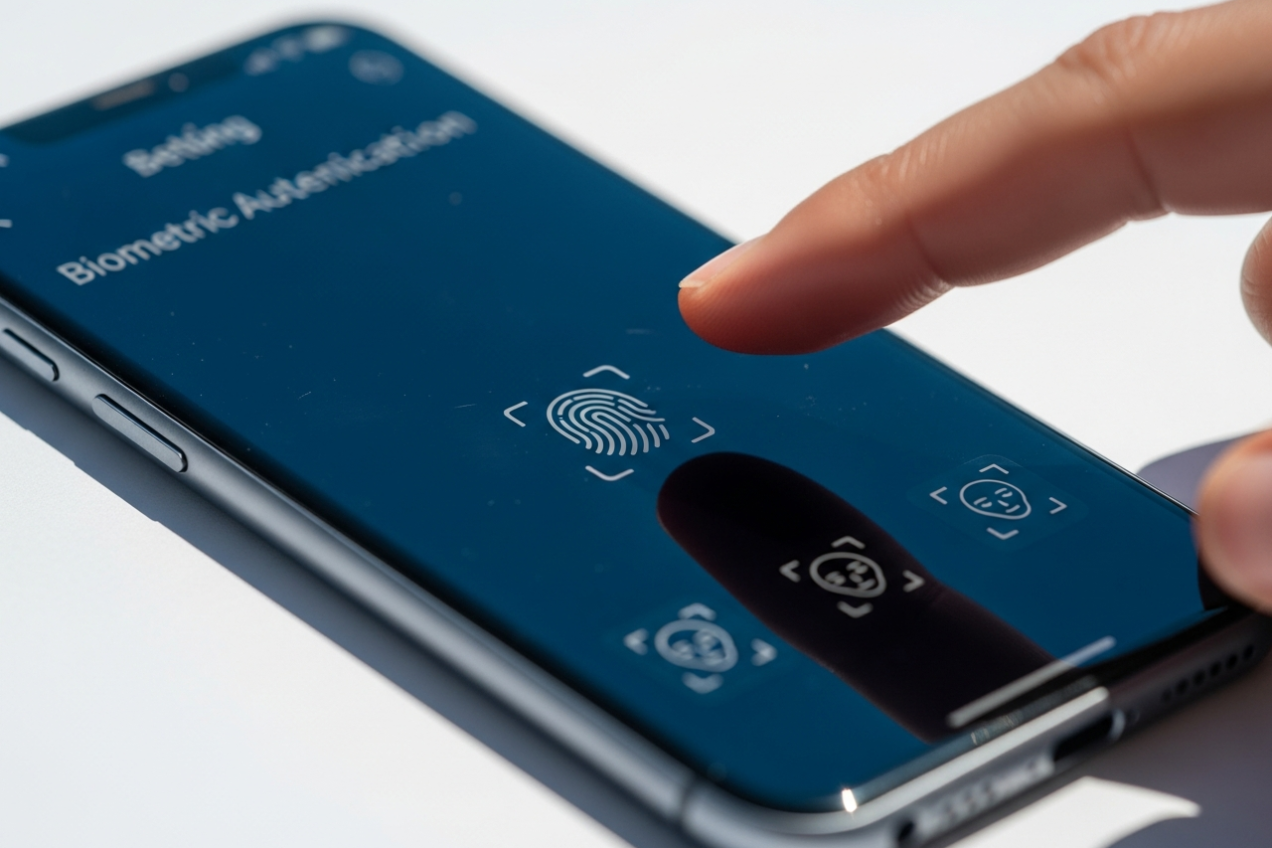
As cyber threats in the US betting industry continue to surge, biometric login technology emerges as a game-changing solution that has already delivered a 30% reduction in fraud losses for leading operators. This revolutionary authentication method combines Face ID, fingerprint scanning, and emerging passkey technology to create an impenetrable security layer while maintaining the seamless user experience that mobile bettors demand.
The benefits extend far beyond fraud prevention, encompassing lightning-fast logins essential for live betting, multi-factor authentication (MFA) compliance with New Jersey and Pennsylvania regulations, and significant reductions in customer support costs. As US states implement stricter security mandates and operators seek competitive advantages, biometric authentication represents the perfect convergence of regulatory compliance, user convenience, and advanced security protocols that will define the future of responsible gambling technology.
What Is Biometric Login in US Betting Apps?
Biometric login in US betting applications leverages unique physical characteristics such as fingerprints, facial features, and voice patterns to authenticate users without traditional passwords. These systems typically store biometric data locally on user devices rather than in cloud databases, utilizing advanced encryption standards like AES-256 to protect sensitive information. This approach minimizes the risk of centralized data breaches while ensuring that biometric templates remain under the user’s direct control.
In the US mobile betting context, iOS and Android platforms provide robust biometric authentication support through Touch ID, Face ID, and Android Biometric APIs. Leading applications like BetRivers have implemented Face ID convenience layers that allow users to access their accounts instantly, though these implementations differ significantly from newer FIDO2 passkey technologies. The distinction is crucial: traditional biometric logins serve as convenience layers over existing password systems, while passkeys represent a fundamental shift toward passwordless authentication that could revolutionize the entire industry.
Understanding this differentiation is essential for both operators and users, as convenience biometrics provide immediate usability improvements while passkeys offer superior security through phishing-resistant protocols. Most current US betting apps utilize the former approach, creating opportunities for early adopters of passkey technology to establish significant competitive advantages in security and user experience.
Common Biometric Methods Used
The landscape of biometric authentication in US betting apps encompasses several distinct technologies, each offering unique advantages and limitations for mobile gambling applications.
- Fingerprint Recognition: Most widely adopted method offering excellent balance of security and speed, though susceptible to spoofing with high-quality replicas
- Face ID Technology: Provides hands-free authentication ideal for live betting scenarios, but can struggle with poor lighting conditions or significant facial changes
- Voice Recognition: Emerging technology offering unique advantages for hands-free operation, though vulnerable to background noise and voice modulation attacks
- Iris Scanning: Highly secure but requires specialized hardware, limiting adoption to premium devices and specific use cases
- Behavioral Biometrics: Analyzes typing patterns and device interaction habits, providing continuous authentication without user intervention
- Passkey Integration: Next-generation approach combining biometric authentication with FIDO2 protocols for maximum security and cross-device compatibility
Local vs Cloud Storage Risks
The storage location of biometric data represents a critical security consideration for US betting applications, with local device storage emerging as the preferred approach for minimizing breach exposure. Local storage ensures that biometric templates never leave the user’s device, utilizing secure hardware elements like Apple’s Secure Enclave or Android’s Trusted Execution Environment to protect sensitive data. This approach aligns with industry best practices and regulatory preferences for responsible gambling operators.
Cloud-based biometric storage, while offering advantages for cross-device synchronization, introduces significant risks including centralized attack vectors and compliance complications with state-level privacy regulations. Most reputable US betting apps have adopted local storage models with AES-256 encryption standards, ensuring that even device theft cannot compromise biometric data without additional authentication factors.
Key Benefits of Biometrics for Security and UX
The implementation of biometric authentication in US betting applications delivers transformative benefits that extend across security, user experience, and operational efficiency. Industry data demonstrates that operators implementing comprehensive biometric systems experience 30% higher user retention rates, primarily attributed to the elimination of password-related friction and enhanced security confidence among users.
- Fraud Prevention: Unique biological traits create nearly impossible barriers for account takeovers, even when devices are compromised or stolen
- Passwordless Access: Eliminates forgotten password issues that cause 40% of customer support tickets in traditional authentication systems
- Lightning-Fast Logins: Sub-second authentication enables instant access crucial for time-sensitive live betting opportunities and rapid market movements
- Reduced Support Costs: Dramatic decrease in password reset requests and account recovery procedures, lowering operational overhead by up to 25%
- Enhanced User Retention: Seamless authentication experience encourages frequent app usage and reduces abandonment rates during critical betting windows
- Regulatory Compliance: Meets multi-factor authentication requirements mandated by New Jersey, Pennsylvania, and other regulated markets
- Mobile Optimization: Purpose-built for mobile-first betting experiences where traditional password entry creates significant usability barriers
Fraud Prevention and Identity Verification
Biometric authentication creates an unprecedented level of fraud protection by leveraging inherent human characteristics that cannot be easily replicated or stolen. Unlike passwords or PINs that can be observed, guessed, or obtained through data breaches, biometric traits require physical presence and sophisticated spoofing attempts that are detectable by modern systems. This technology effectively blocks account takeovers even in scenarios where devices are stolen, as the biometric authentication layer remains intact and personalized to the legitimate user.
The implementation of biometric verification also strengthens identity verification processes required for responsible gambling compliance. By linking account access to unique biological traits, operators can ensure that underage individuals cannot easily circumvent age verification systems, and problem gamblers cannot quickly create new accounts during self-exclusion periods. This dual-purpose functionality supports both security objectives and responsible gambling mandates increasingly emphasized by US state regulators.
Advanced biometric systems incorporate liveness detection technology that prevents spoofing attempts using photographs, videos, or artificial replicas. These systems analyze micro-movements, depth perception, and other dynamic characteristics that confirm the presence of a living person, creating multiple layers of fraud protection that significantly exceed traditional authentication methods.
Enhanced User Experience
The user experience advantages of biometric authentication become particularly pronounced in mobile betting scenarios where speed and convenience directly impact user satisfaction and engagement. Instant access capabilities eliminate the frustration of password entry on small screens, particularly during high-stakes live betting situations where seconds can determine the difference between successful and missed wagering opportunities.
Beyond speed improvements, biometric authentication removes the cognitive burden of password management that often leads to user frustration and account abandonment. This seamless experience encourages more frequent app usage and reduces the likelihood that users will switch to competitor platforms due to authentication-related friction, creating measurable improvements in user lifetime value and engagement metrics.
US State Regulations and MFA Mandates
US state gambling regulators have increasingly implemented multi-factor authentication requirements that position biometric technology as a preferred compliance solution. New Jersey’s comprehensive regulatory framework under N.J.A.C. 13:69O-1.1 specifically mandates two-factor authentication combining traditional passwords with secondary verification methods, explicitly recognizing biometric authentication as meeting the “something you are” requirement of modern security protocols.
Pennsylvania has enacted similar mandates through its Gaming Control Board, requiring licensed operators to implement robust authentication systems that protect user accounts and ensure responsible gambling compliance. These regulations reflect a broader trend across regulated US markets where state authorities recognize biometric authentication as a crucial tool for preventing underage gambling, account sharing, and other compliance violations that threaten the integrity of legal betting markets.
The regulatory landscape continues evolving as additional states launch legal betting markets, with many adopting similar MFA requirements that create standardized expectations for biometric implementation. This regulatory alignment provides operators with clear compliance pathways while encouraging investment in advanced authentication technologies that benefit both security and user experience objectives.
| State | MFA Requirement | Biometric Role | Examples |
|---|---|---|---|
| New Jersey | Mandatory 2FA under N.J.A.C. 13:69O-1.1 | Approved “something you are” factor | Face ID + PIN, Fingerprint + Password |
| Pennsylvania | Enhanced authentication required | Preferred secondary verification | Touch ID, Voice recognition |
| Michigan | Security protocols mandated | Optional enhancement layer | Fingerprint verification |
| West Virginia | Account protection required | Compliance-friendly option | Face ID, Behavioral patterns |
| Colorado | Strong authentication encouraged | Advanced security measure | Multi-modal biometrics |
How Biometrics Meet KYC Standards
Biometric authentication plays a crucial role in Know Your Customer (KYC) compliance by providing operators with enhanced tools for age verification and identity confirmation that exceed traditional document-based approaches. By linking account access to unique biological characteristics, operators can ensure that verified users cannot easily share accounts or circumvent age restrictions, addressing primary regulatory concerns about underage gambling prevention.
The integration of biometric verification with initial identity verification processes creates a continuous compliance framework where users must consistently prove their identity through biological traits rather than easily transferable credentials. This approach significantly reduces the risk of account sharing among family members or friends, a practice that can lead to underage access and regulatory violations that threaten operator licenses.
Advanced biometric KYC systems can also detect and prevent rapid account creation attempts by individuals attempting to circumvent self-exclusion programs or deposit limits. By maintaining biometric profiles that can identify repeat users across multiple registration attempts, operators can better support responsible gambling initiatives while maintaining compliance with state-mandated player protection requirements.
Top US Betting Apps with Biometric Features
The leading US betting applications have embraced biometric authentication at varying levels of sophistication, with most implementing convenience layers rather than comprehensive passkey integration. BetRivers leads the convenience implementation category with seamless Face ID integration that allows users to bypass password entry while maintaining underlying security protocols, though the platform has not yet adopted full FIDO2 passkey support that would eliminate passwords entirely.
Analysis of the top-tier US betting applications reveals significant variation in biometric feature adoption, with established operators generally implementing basic fingerprint and Face ID support while newer entrants explore more advanced authentication methods. Reliability testing across major platforms demonstrates that fingerprint recognition achieves the highest success rates, while Face ID implementation varies considerably based on lighting conditions and device positioning requirements.
| App | Biometric Type | Passkey Support | Key Security Notes |
|---|---|---|---|
| BetRivers | Face ID, Touch ID | Not Available | Convenience layer over passwords |
| DraftKings | Fingerprint, Face ID | Limited Testing | Strong local encryption |
| FanDuel | Touch ID, Face ID | Not Available | Integrated with 2FA |
| Caesars | Fingerprint primary | Under Development | Multi-device sync challenges |
| BetMGM | Face ID, Voice recognition | Not Available | Advanced liveness detection |
| PointsBet | Touch ID, Android Biometric | Pilot Program | Cross-platform optimization |
Passkeys vs Traditional Biometrics
The distinction between traditional biometric convenience layers and emerging passkey technology represents a fundamental evolution in authentication security that will reshape the US betting industry. While current biometric implementations provide user-friendly alternatives to password entry, they typically maintain underlying password dependencies that create potential security vulnerabilities and limit the full benefits of passwordless authentication.
Passkeys built on FIDO2 protocols eliminate passwords entirely, using biometric authentication to unlock cryptographic keys stored securely on user devices. This approach provides superior protection against phishing attacks, credential stuffing, and other common attack vectors that target traditional authentication systems, making passkeys particularly valuable for high-stakes betting applications where account security directly impacts financial losses.
The rarity of passkey implementation in current iGaming applications creates significant opportunities for early adopters to establish competitive advantages through enhanced security and user experience. As browser support for passkeys expands and user familiarity increases, operators implementing this technology will benefit from reduced fraud losses, simplified compliance reporting, and improved user retention metrics that justify the initial implementation investment.
| Feature | Biometric Login | Passkeys/FIDO2 |
|---|---|---|
| Phishing Resistance | Limited protection | Complete immunity |
| Cross-Device Sync | Device-specific | Seamless ecosystem sync |
| Password Dependency | Maintains fallback passwords | Completely passwordless |
| Implementation Complexity | Moderate effort | High initial complexity |
Integration Challenges
The implementation of biometric authentication in US betting applications faces several technical and operational challenges that operators must carefully navigate to ensure successful deployment and user adoption.
- Device Compatibility Management: Ensuring consistent functionality across diverse iOS and Android devices with varying biometric hardware capabilities and security implementations
- Legacy System Integration: Adapting existing authentication infrastructure to support biometric protocols while maintaining backward compatibility for users without biometric-enabled devices
- Third-Party Provider Coordination: Managing relationships with biometric technology vendors, device manufacturers, and security certification bodies to ensure comprehensive coverage and compliance
- Performance Optimization: Balancing security thoroughness with authentication speed requirements crucial for live betting scenarios where delays impact user experience
- Regulatory Compliance Mapping: Aligning biometric implementation details with varying state-level requirements across multiple jurisdictions where operators hold licenses
Privacy Concerns and Data Protection
The implementation of biometric authentication in US betting applications raises significant privacy considerations that operators must address through comprehensive data protection strategies and transparent user consent processes. Compliance with the California Consumer Privacy Act (CCPA) and emerging state-level privacy regulations requires explicit opt-in policies for biometric data collection, detailed privacy disclosures about data usage, and robust user control mechanisms for data deletion and modification.
The regulatory landscape becomes particularly complex when considering biometric-specific legislation similar to Illinois’ Biometric Information Privacy Act (BIPA), which could influence future gambling regulations in other states. These laws typically require detailed consent procedures, strict data retention limits, and significant penalties for unauthorized biometric data sharing, creating compliance obligations that extend beyond traditional gambling regulations.
Operators must also navigate the intersection of federal privacy expectations and state gambling regulations, ensuring that biometric data protection measures meet the highest applicable standards across all jurisdictions where they operate. This multi-layered compliance approach requires ongoing legal review and technical implementation updates as privacy regulations continue evolving at both state and federal levels.
Mitigating Privacy Risks
Effective privacy risk mitigation requires a comprehensive approach that addresses both technical implementation details and user communication strategies to build trust and ensure regulatory compliance.
- Transparent Privacy Policies: Detailed explanations of biometric data collection, storage, and usage practices written in plain language that clearly communicates user rights and operator responsibilities
- Local Device Storage Priority: Implementing on-device biometric storage using hardware security modules to eliminate cloud-based vulnerabilities and reduce regulatory exposure
- Granular User Controls: Providing comprehensive settings that allow users to enable, disable, or modify biometric authentication preferences without compromising account functionality
- Regular Security Audits: Conducting third-party security assessments and penetration testing to identify and address potential vulnerabilities in biometric data protection systems
- Data Minimization Practices: Collecting only essential biometric data required for authentication purposes and implementing automatic deletion protocols for inactive accounts
- Encryption Standards Compliance: Utilizing industry-leading encryption protocols including AES-256 and secure key management systems that exceed regulatory minimum requirements
Limitations and Security Vulnerabilities
Despite significant security advantages, biometric authentication systems face inherent limitations and emerging threats that operators must understand and address through comprehensive security strategies. Advanced artificial intelligence techniques have demonstrated the ability to spoof fingerprint scanners using high-quality synthetic prints, while sophisticated facial recognition attacks can potentially bypass Face ID systems using detailed 3D models or high-resolution photographs.
Device compatibility issues create additional security considerations, as older smartphones may lack the hardware security features necessary for secure biometric storage and processing. Voice recognition systems prove particularly susceptible to environmental interference, background noise, and voice modulation attacks that can compromise authentication accuracy in real-world usage scenarios common in mobile betting environments.
| Risk | Description | Mitigation |
|---|---|---|
| AI Spoofing | Advanced algorithms creating fake fingerprints or faces | Liveness detection and multi-modal authentication |
| Device Incompatibility | Older devices lacking secure biometric hardware | Fallback authentication methods and device requirements |
| Environmental Interference | Poor lighting, noise, or physical conditions affecting sensors | Multiple biometric options and adaptive thresholds |
| Template Theft | Unauthorized access to stored biometric templates | Hardware security modules and local-only storage |
| False Rejection | Legitimate users denied access due to sensor errors | Adjustable sensitivity settings and backup methods |
| Replay Attacks | Recording and replaying biometric data for unauthorized access | Session tokens and real-time challenge protocols |
Biometrics Are Not Full App Security
Understanding the limitations of biometric authentication requires recognizing that these systems represent one component of comprehensive security architecture rather than complete protection solutions. Effective mobile betting security demands layered approaches that combine biometric authentication with device attestation, behavioral monitoring, and transaction verification systems to create multiple defensive barriers against sophisticated attacks.
The superiority of biometric authentication over traditional passwords becomes evident when comparing attack vectors and user behavior patterns. While passwords can be guessed, stolen, or shared, biometric traits require physical presence and sophisticated spoofing techniques that are detectable by modern liveness verification systems. However, biometric systems can still be compromised through device manipulation, man-in-the-middle attacks, or system-level vulnerabilities that bypass authentication entirely.
Successful implementations integrate biometric authentication with additional security measures including geolocation verification, device fingerprinting, and transaction pattern analysis to create comprehensive protection that addresses the full spectrum of potential threats. This layered approach ensures that even if one security component fails, multiple backup systems maintain account protection and regulatory compliance.
Future-Proofing with Passkeys
The evolution toward passkey-based authentication represents the next generation of biometric security that addresses many current limitations through phishing-resistant protocols and improved cross-device functionality. Passkeys eliminate the password dependencies that create vulnerabilities in traditional biometric implementations, providing true passwordless authentication that cannot be compromised through credential theft or social engineering attacks.
The adoption of passkey technology in US betting applications will likely accelerate as browser support expands and user education improves, creating opportunities for operators to establish competitive advantages through enhanced security and simplified user experiences. Early implementation of passkey support positions operators to benefit from reduced fraud losses, improved compliance reporting, and enhanced user satisfaction metrics that justify the initial development investment.
Implementation Best Practices for Developers
Successful biometric authentication implementation in US betting applications requires careful attention to adaptive security layers that adjust authentication requirements based on user behavior, transaction values, and risk assessments. Mobile-first development approaches ensure that biometric systems integrate seamlessly with native device capabilities while maintaining consistent functionality across diverse hardware platforms and operating system versions.
API integration strategies must balance security thoroughness with performance requirements crucial for live betting scenarios, implementing efficient biometric verification processes that complete authentication within acceptable timeframes for time-sensitive wagering opportunities. Comprehensive testing across device types, environmental conditions, and user scenarios ensures reliable functionality that meets the demanding requirements of mobile gambling applications.
- Multi-Modal Biometric Implementation: Deploying multiple biometric authentication methods (fingerprint, Face ID, voice) to provide users with options and backup systems for varying environmental conditions and device capabilities
- Adaptive Risk Assessment: Implementing dynamic authentication requirements that adjust security measures based on transaction amounts, user behavior patterns, and detected risk factors
- Hardware Security Integration: Leveraging device-specific security features like Apple’s Secure Enclave and Android’s Trusted Execution Environment to ensure biometric data remains protected at the hardware level
- Comprehensive Fallback Systems: Developing robust backup authentication methods for scenarios where biometric verification fails or is unavailable, ensuring continuous user access without compromising security
- Performance Optimization: Minimizing authentication latency through efficient biometric processing algorithms and local verification systems that avoid network dependencies during critical authentication moments
- Regulatory Compliance Integration: Building authentication systems that automatically generate compliance reports and maintain audit trails required by state gambling regulators across multiple jurisdictions
- User Experience Testing: Conducting extensive usability testing across diverse user demographics and device configurations to identify and address potential adoption barriers or functionality issues
Cost Savings and ROI
The financial benefits of biometric authentication implementation extend beyond initial security improvements to encompass significant operational cost reductions and user retention improvements that create measurable return on investment. Operators implementing comprehensive biometric systems typically experience 40% reductions in customer support tickets related to password issues, account lockouts, and authentication problems that consume significant customer service resources.
Fraud prevention capabilities generate direct cost savings through reduced chargebacks, account takeover incidents, and regulatory penalties associated with security breaches. Industry data indicates that operators with robust biometric authentication systems experience 25% lower fraud-related losses compared to traditional authentication methods, while also benefiting from improved user retention rates that increase customer lifetime value and reduce acquisition costs.
Future of Biometrics in US Betting
The trajectory of biometric authentication in US betting applications points toward widespread passkey adoption that will fundamentally transform the relationship between security and user experience in mobile gambling. As major technology platforms expand passkey support and regulatory frameworks evolve to accommodate passwordless authentication, operators will increasingly implement FIDO2-based systems that eliminate traditional authentication vulnerabilities while providing seamless cross-device functionality.
Regulatory authorities are likely to expand multi-factor authentication requirements as legal betting markets mature, creating standardized expectations for biometric implementation that drive industry-wide adoption of advanced authentication technologies. The competitive advantages available to early adopters will diminish as biometric authentication becomes a standard feature rather than a differentiating capability, making immediate implementation crucial for operators seeking to establish market leadership.
Live betting scenarios will particularly benefit from biometric authentication improvements, as instant access capabilities become increasingly important for capturing time-sensitive wagering opportunities. The elimination of authentication friction during peak betting moments directly impacts user engagement and revenue generation, making biometric optimization a critical component of mobile betting platform success in highly competitive US markets.
Competitive Edge for Operators
Operators implementing advanced biometric authentication systems gain significant competitive advantages through improved user retention, enhanced compliance capabilities, and reduced operational costs that compound over time. The combination of superior security and seamless user experience creates measurable improvements in customer satisfaction metrics that translate directly into increased user engagement and lifetime value calculations.
The regulatory compliance advantages of robust biometric systems become particularly valuable as state gambling authorities implement more sophisticated oversight requirements and penalty structures for security failures. Operators with comprehensive biometric authentication can demonstrate proactive security measures that support license renewal processes and expansion into new jurisdictions, creating strategic business advantages that extend beyond immediate security benefits.